Start before you step outside
Leave No Trace is a useful way to think about ordinary outdoor time, not just remote trips. A neighborhood trail, lakeside bench or park picnic area is a shared space. The aim is to enjoy it while avoiding damage and extra work for the people, wildlife and plants that remain after you leave.
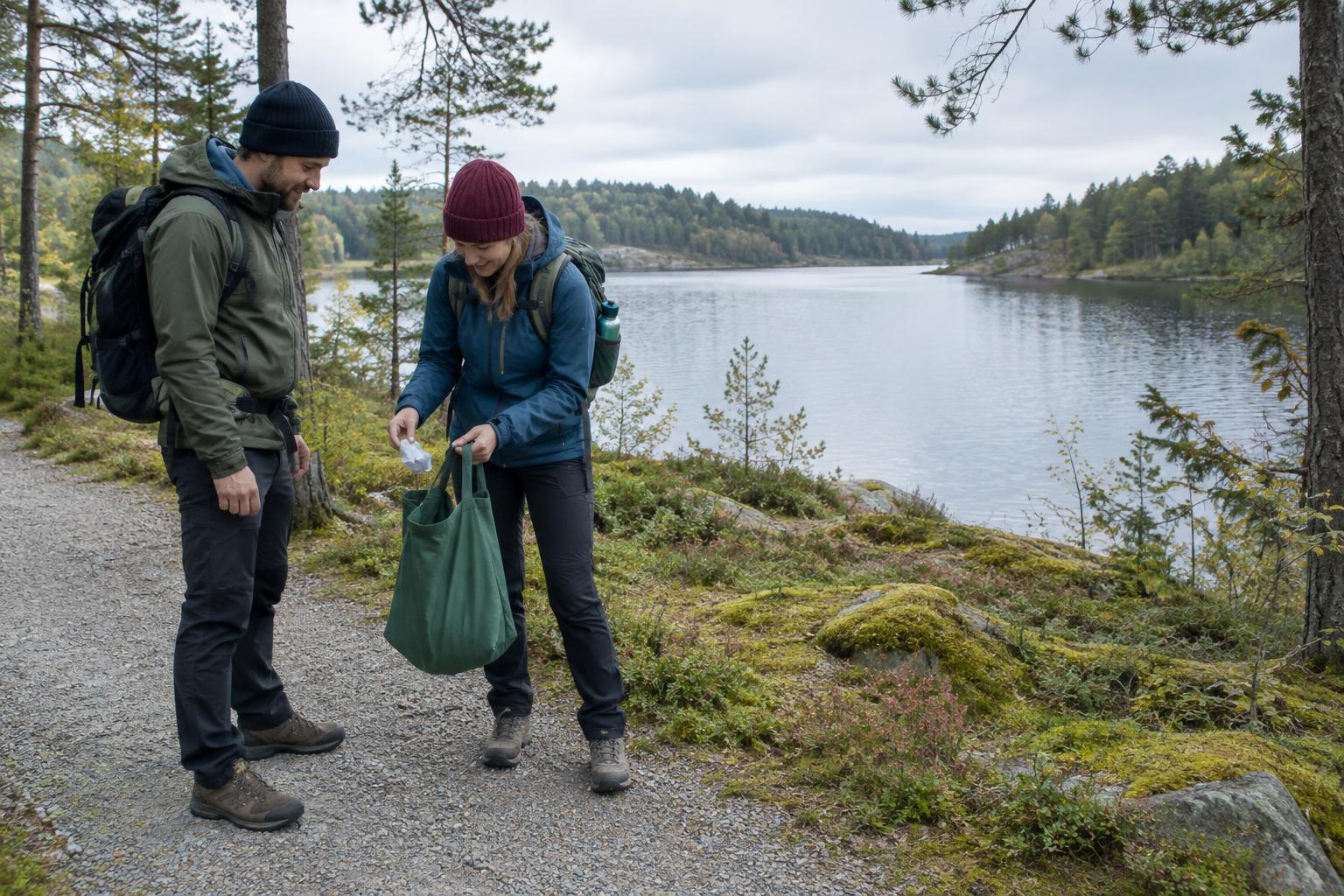
A little planning makes that easier. Check the rules for the place you intend to visit, including where you may walk, bring a dog, cook or make a fire. Choose a route and outing length that suit your group, the weather and the available daylight. Pack what you need to stay comfortable, along with a small bag for rubbish. If bins are full or absent, you can still take everything home.
Use paths and durable places to pause
On established routes, stay on the path even when a shortcut looks convenient. Repeated footsteps can wear down vegetation and widen muddy sections. If a trail is wet, walking through the muddy patch rather than around its edges can help keep the path from spreading, provided it is safe to do so. Follow posted closures; they may protect sensitive ground or allow an area to recover.
For a rest or picnic, look for an existing bench, designated site or sturdy surface rather than settling into plants. Keep bags and blankets within that space. It is tempting to rearrange a spot to make it feel more comfortable, but moving rocks, stripping branches or clearing vegetation can alter a small habitat. Often the simplest choice is to find a different place to sit.
Pack out more than the obvious litter
Food scraps may seem harmless because they can break down, but they can attract animals and make a shared space unpleasant. Take home peels, crumbs, nutshells and leftovers along with wrappers, tissues and bottle caps. A reusable container helps keep loose pieces together, while a separate bag can hold messy waste until you reach home.
Before leaving, look around and beneath your seat for anything you may have missed. If you can safely pick up a small piece of litter left by someone else, that can help too; you do not need to handle sharp or hazardous items. For longer outings, find out what toilet facilities are available and follow local guidance for human and pet waste. Never assume that leaving waste just off the path is enough.
Give wildlife and other visitors room
Watching a bird or animal from a comfortable distance is usually more rewarding than trying to get close. Avoid feeding wildlife, even when an animal appears interested in your lunch. Keep food secure, and follow the site's rules for dogs. A leash can help prevent a friendly pet from startling wildlife or other walkers.
The experience belongs to other visitors as well. Keep music and calls low enough that they do not take over a quiet space, and make room for people passing on narrow paths. If you are visiting with children, a simple prompt to notice tracks, shapes or sounds can offer something to do without picking plants or disturbing nests. Leave natural objects where they are so others can discover them too.
Make low-impact habits easy to repeat
The best routine is one you can use on an ordinary day. Keep a small outing kit near the door: a water bottle, weather-appropriate layer, reusable food container and bag for waste. After you return, empty the bag, clean what needs cleaning and restock it. That small reset removes a common reason to leave something behind next time.
No outing will be perfectly impact-free. Conditions differ, and local rules should guide specific choices. Still, pausing to ask, “Will this leave the place as I found it?” can shape dozens of small decisions. Taken together, those decisions help keep everyday outdoor spaces welcoming for the next person who comes along.