Choose one reason to go
A day trip can become crowded before it begins. A scenic walk, a lakeside lunch, a village café and a sunset viewpoint may all sound appealing, but each stop adds travel, parking and decisions. Start by choosing the experience you most want from the day: time beside the water, an easy hike, a picnic or a change of scenery. Let that be the anchor, then treat anything else as optional.
Match the destination to the energy you expect to have, not the energy you hope to summon. A long drive followed by a demanding trail may leave little room to enjoy either. If you are going with others, ask what would make the outing pleasant for them, too. A shared plan might be as simple as a short walk, a good place to sit and enough daylight to get home comfortably.
Build the day around a generous time window
Work backward from when you would like to be home. Allow time to travel, find the starting point, eat and return without making every minute count. Walking speed can vary with terrain, weather and company, so use a route that leaves you some flexibility. Check practical details ahead of time, such as access, opening hours where relevant and whether your chosen route has a clear way back.
Instead of scheduling several exact arrival times, give the day a loose shape: leave in the morning, spend the middle of the day outdoors and head back before you feel pressed. Decide in advance which part you would shorten if plans change. Knowing that a viewpoint or second walk is optional makes a late start, an extended lunch or an unexpected rain shower much less frustrating.
Pack for comfort, not every possibility
A small, useful kit can make it easier to stay out a little longer. Bring water, food suited to the length of the trip, a layer for changes in temperature and footwear comfortable for the ground you expect to cover. Depending on the place and conditions, you may also want sun protection, rain protection and a charged phone. Keep essential items easy to reach rather than buried beneath extras.
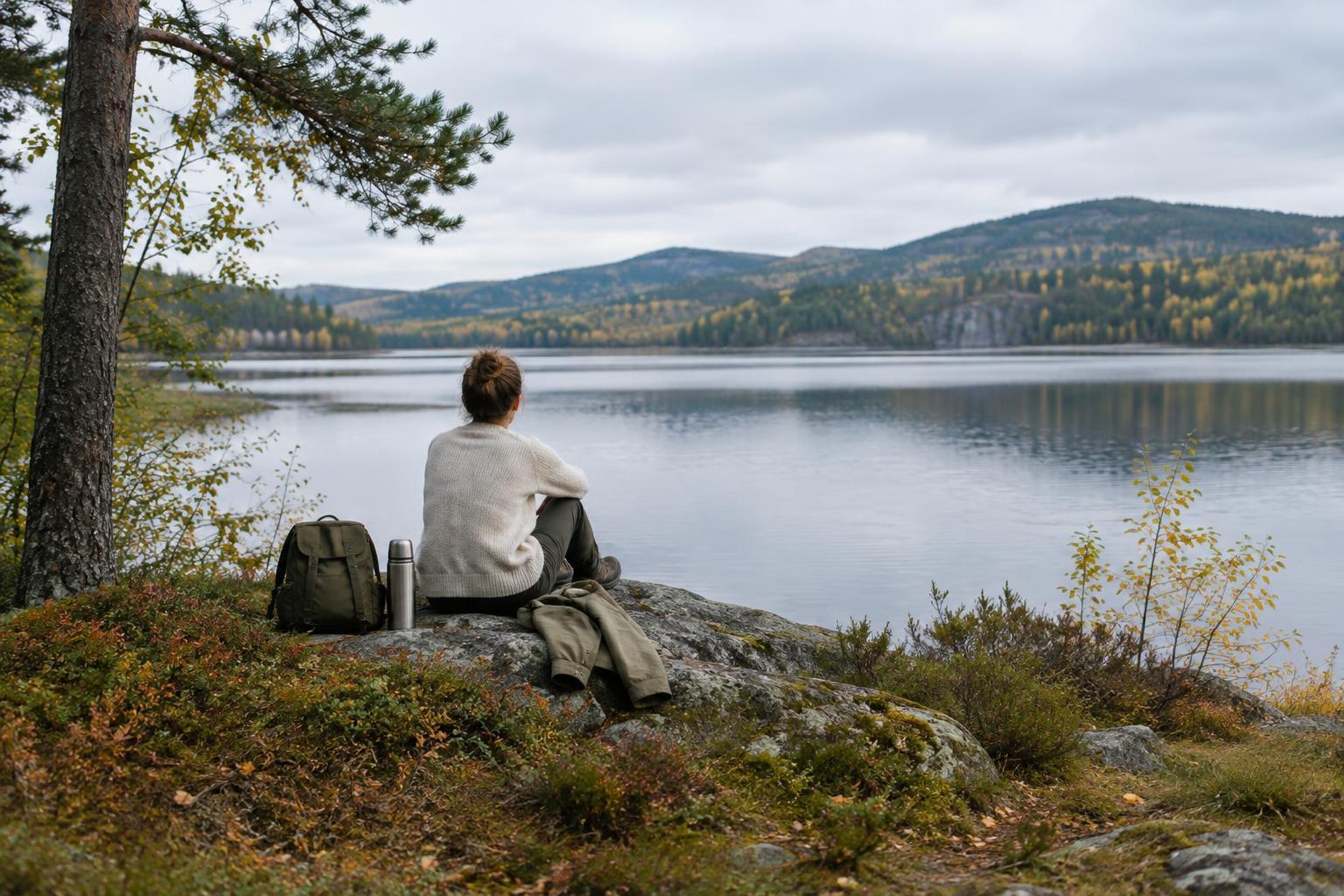
Food need not turn the outing into a complicated production. Sandwiches, fruit or another meal you enjoy can be enough, with a reusable bag for wrappers and leftovers. If a picnic is the main event, consider what you will sit on and whether there is a sheltered alternative nearby. Pack so that setting up and leaving both feel simple; convenience is part of enjoying the place.
Leave space between activities
The unplanned parts of an outdoor day can be its most satisfying. You might pause to watch changing light, take a slower path or sit after lunch without reaching for the next destination. Leaving open time is not a failure to make the most of the trip. It is what allows you to notice where you are.
If you do want a second stop, choose one close to your main destination and decide on it later. A nearby café or short stroll can be welcome if everyone still has energy, but it need not become an obligation. When travelling with children, friends or anyone who needs a gentler pace, a comfortable pause may be more valuable than another sight.
Make the return part of the plan
Before setting out, agree on a rough time to turn back. This matters especially when a route looks different on the return journey, or when daylight and weather may change. Keep enough food, water and energy for getting home. If conditions become uncomfortable, shortening the outing is a sensible adjustment, not a spoiled day.
A day trip does not have to end the moment you reach the car or station. Leave time to put away damp layers, have a drink and settle in before the journey home. The simplest measure of a good plan is not how many places you visited. It is whether you had time to enjoy the place you chose, and arrived home ready to remember it rather than recover from it.


