Start with the places that slow you down
An easy-to-clean room is not necessarily a minimalist one. It is a room where you can reach the areas that need attention and put things away without moving a pile first. Before changing the furniture, notice what makes routine cleaning awkward. Do you have to lift several objects to wipe a table? Is there a narrow gap behind a chair that collects dust but cannot be reached easily? Does laundry gather where there is nowhere convenient to put it?
Pick one room and walk through the tasks you actually do there: clearing a surface, sweeping or vacuuming, wiping spills and returning everyday items to their places. Make a short list of obstacles. This is more useful than trying to remove everything in sight. A well-used reading chair, for example, may be worth the effort of cleaning around it; a side table that blocks the only clear path may not be.
Give floors and furniture breathing room
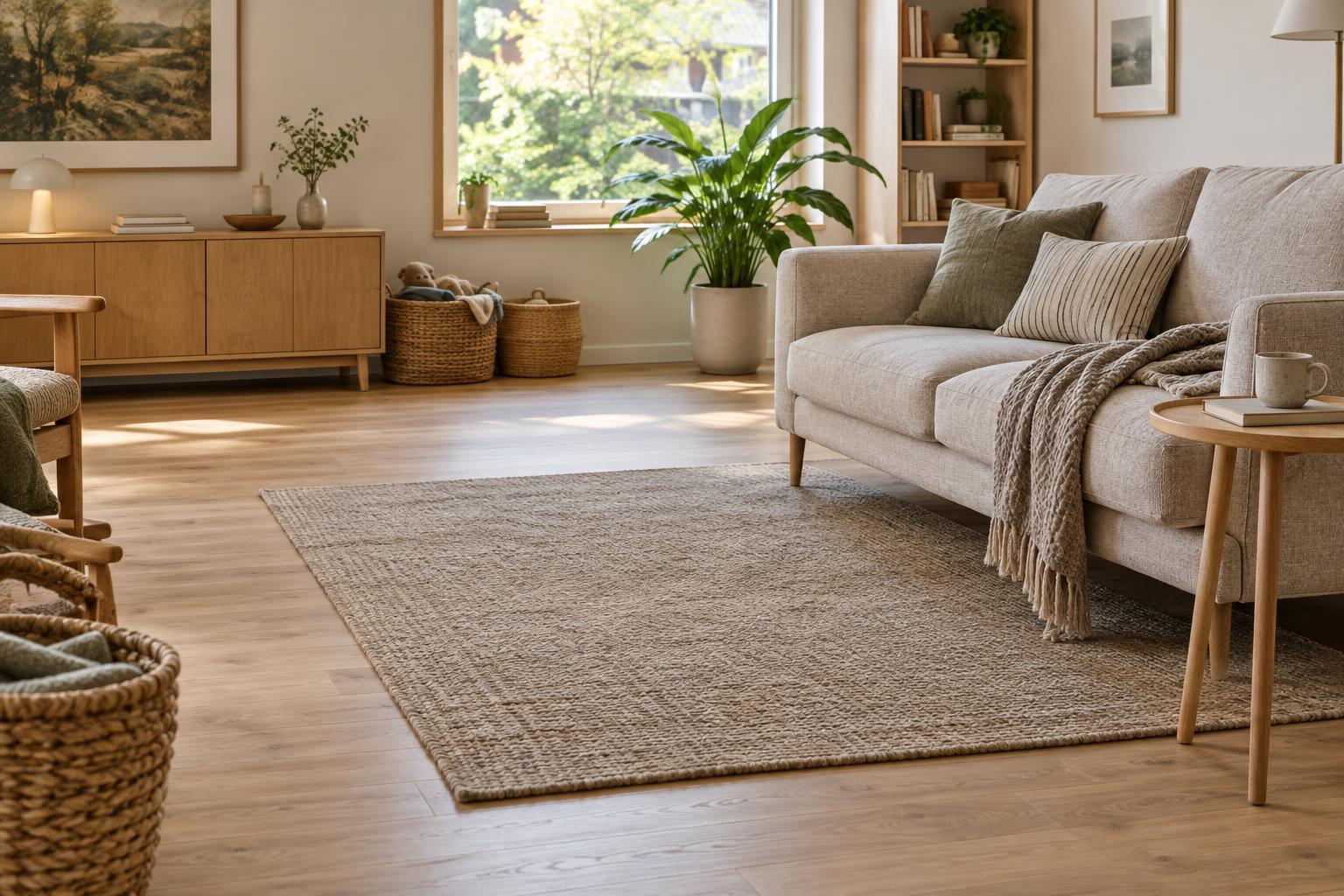
Clear floor space makes routine care simpler, especially along the routes people use most. If a basket, stool or plant stand has to be moved every time you clean, ask whether it could live somewhere else. Small gaps between heavy furniture and the wall can be especially frustrating: they may be too narrow to clean easily but wide enough to catch dust. Where the layout allows, either leave enough room to reach behind a piece or place it close to the wall.
Think about what sits underneath furniture, too. Open space under a bed or sofa can be useful, but only if you can reach it with the tools you own. If you use that space for storage, choose containers you can pull out comfortably rather than loose objects that drift out of reach. In a compact room, this might mean using fewer, larger containers instead of many small ones.
An easy layout should still feel comfortable. Keep the rug, lamp or extra chair that makes the room work for you; just consider whether its position makes a frequent task harder. The aim is not a bare floor plan, but fewer unnecessary steps between deciding to clean and getting started.
Choose storage that matches how things arrive
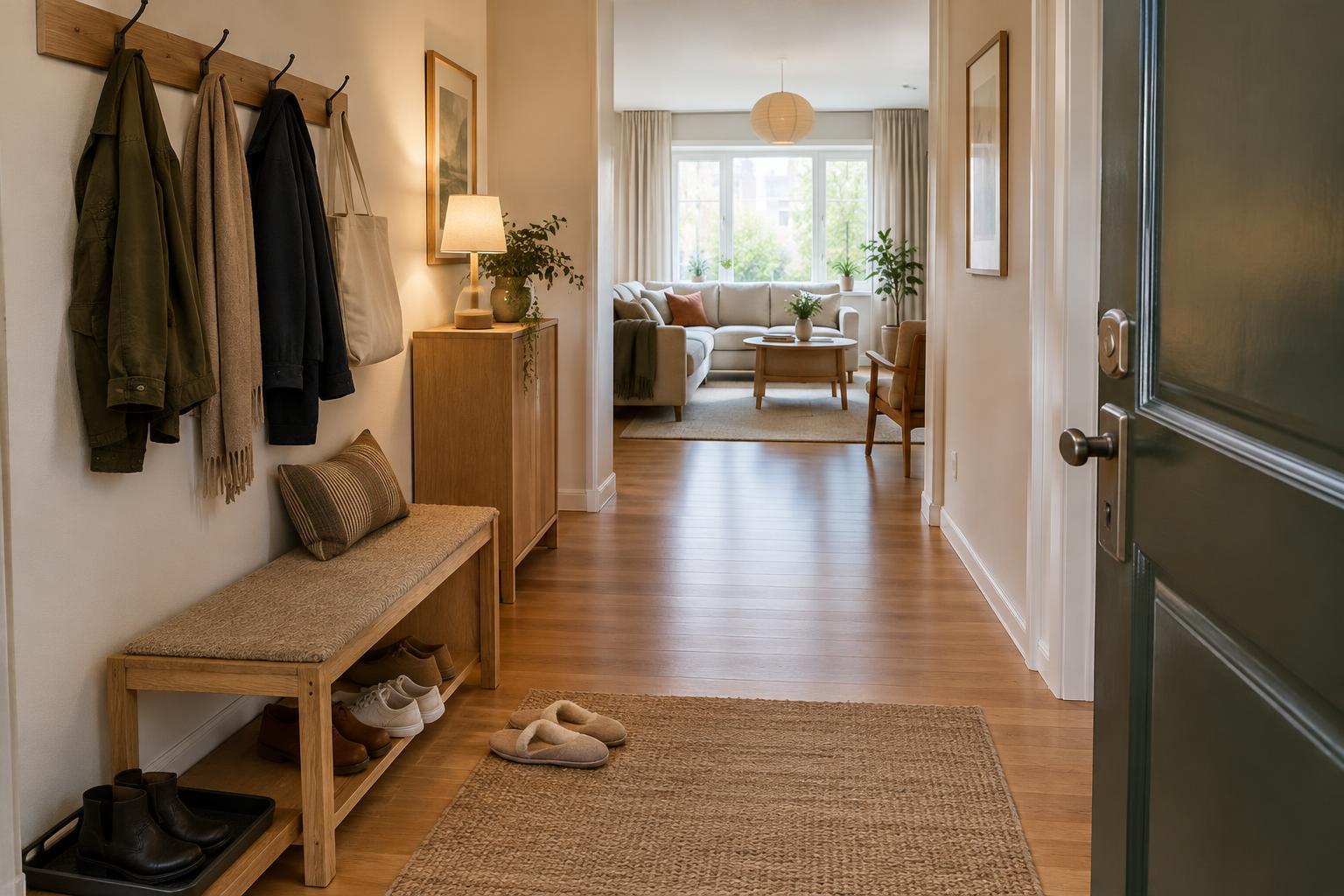
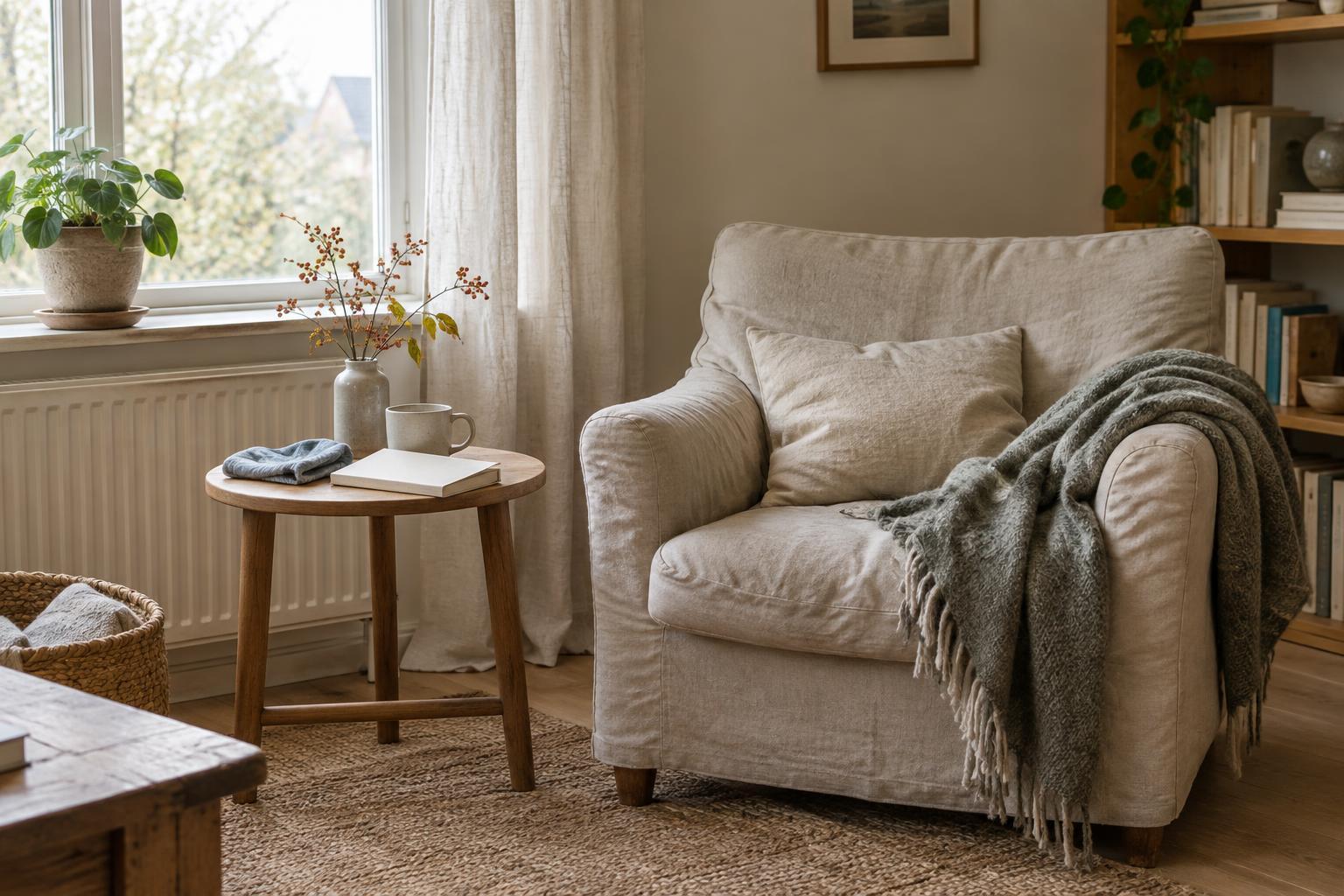
Storage works best when it meets objects near the point where you naturally set them down. If mail lands on a dining table, a small tray near that table may be more effective than a filing box across the room. If blankets end up on the sofa, give them a basket or an accessible shelf nearby. The container does not have to hide every object. It needs to make putting things away easier than leaving them scattered.
Allow some space for items that are in use rather than forcing every surface to stay clear all the time. A designated spot for a current book, a project or a bag makes it easier to wipe around those things and reset the room later. Closed storage can reduce the number of surfaces you dust, while open storage can keep frequently used items visible. A mix often works better than treating either approach as a rule.
Look at capacity as well as location. A crowded drawer may conceal clutter, but it takes effort to use. Leave enough room to take something out and return it without rearranging everything else. When a storage spot fills repeatedly, first check whether it serves too many purposes; buying another organizer may not solve that problem.
Make upkeep part of the room's design
Materials and details affect how a room feels to maintain. A table with a surface you are comfortable wiping will probably serve you better than one that makes you worry about every cup. Washable textiles may be useful in places where spills or muddy paws are common, provided you can remove and clean them without difficulty. Before adding a decorative object, consider where it will sit and whether you are happy to move it for cleaning.
Keep the basic supplies you use within reasonable reach, stored safely and according to their labels. A cloth near the kitchen sink or an accessible place for the vacuum can make a small reset feel manageable. You do not need an elaborate schedule: clearing one surface after use and returning a few items at the end of the day may be enough to prevent a larger task from building up. For further browsing about activity and good habits beyond the home, visit Aktywność i dobre nawyki · Młode Bemowo.
Revisit the setup when your routines change. A room that was easy to care for before a new hobby, a different work pattern or a change in household needs may need different storage or a clearer path. Treat maintenance as feedback about how the room functions, not as a test of how tidy it looks. The most useful arrangement is one you can live with and look after.