Begin with daily life, not a look
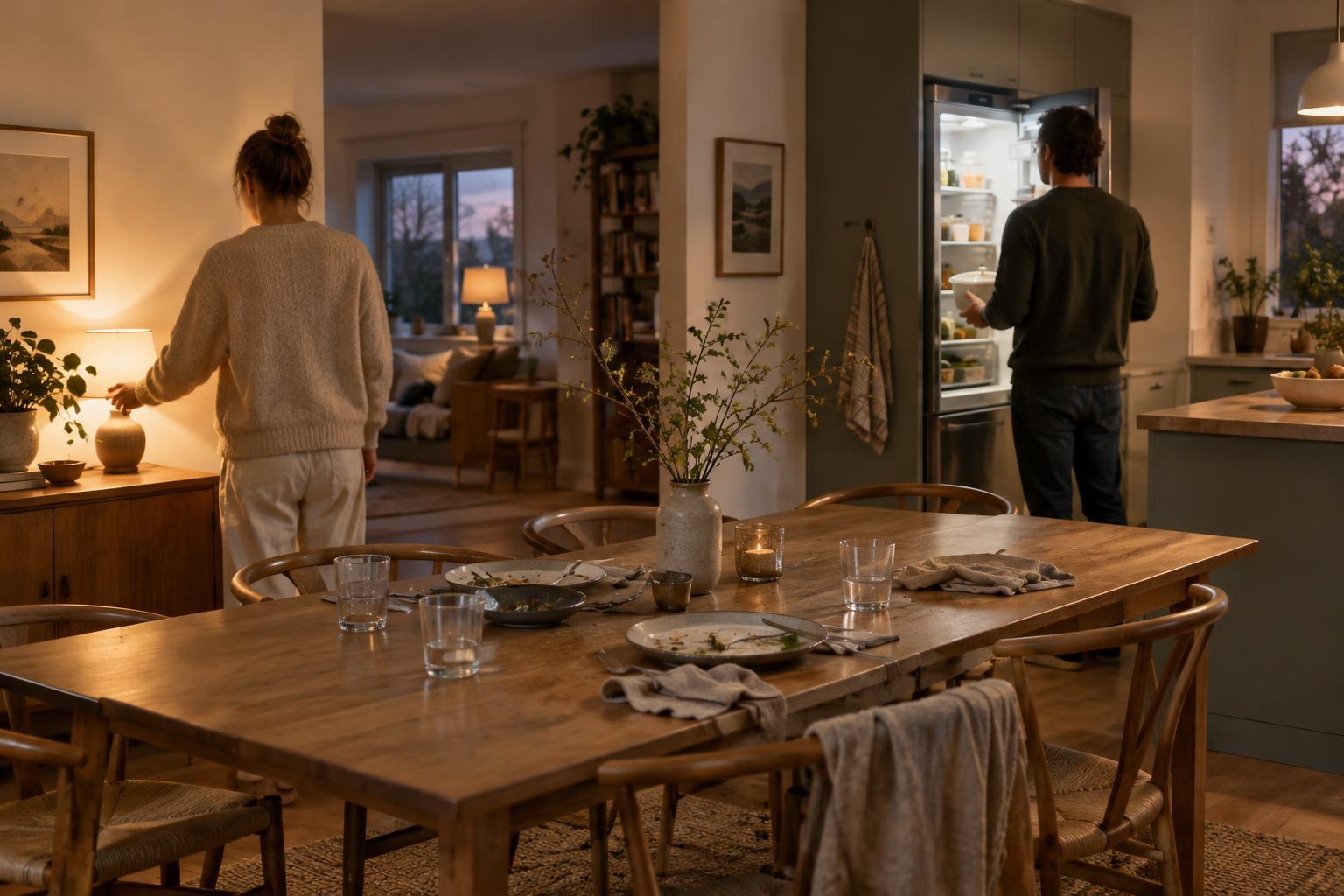
Functional interior design asks a simple question: what needs to happen here? A living room might be a place to talk, read, watch a film, fold laundry, and let children play. A bedroom might need to support sleep while also making it easy to get dressed on a dark morning. Naming those activities gives you a better starting point than choosing a color palette or buying a matching set of furniture.
Spend a few ordinary days noticing where things feel easy and where they do not. Do you set your keys on the nearest chair because there is no convenient landing spot? Do you move a lamp every time you want to read? These small workarounds are useful clues. Write down each room’s main job, its occasional jobs, and the frustrations you would most like to solve. You do not need a perfectly styled home to begin; you need an honest picture of how you use it.
Give the most important activity enough space
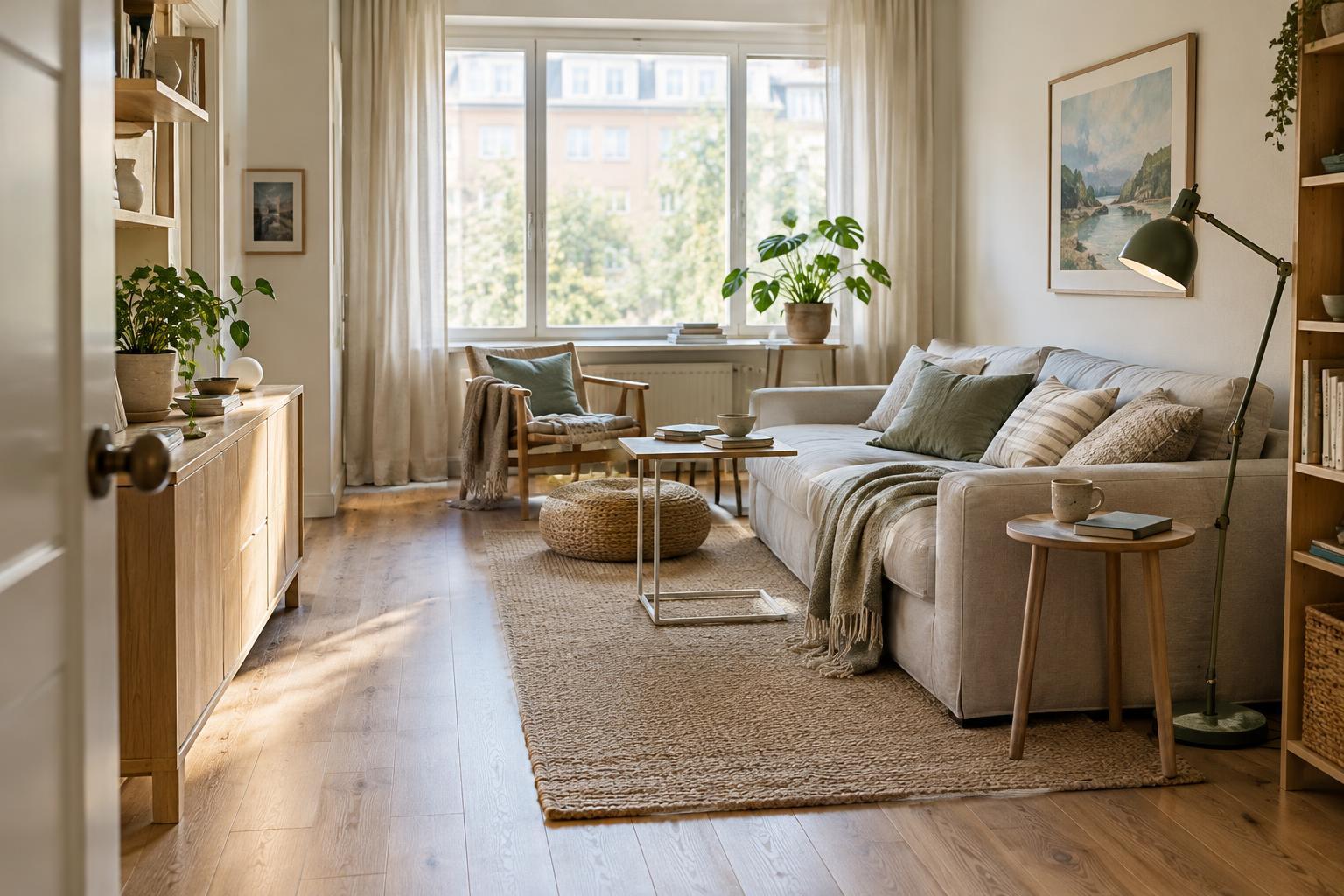
Once you know a room’s jobs, decide which one should guide the layout. In a dining area used daily for meals and sometimes for paperwork, comfortable seating and a usable table matter more than a dedicated desk that crowds the room. In a living room where conversation is the priority, arrange seats so people can face one another without twisting around a large coffee table.
Look at the routes people take through the space. Keep doors, drawers, and frequently used cupboards easy to open, and avoid placing furniture where everyone has to squeeze past it. Try moving pieces you already own before purchasing replacements. A chair shifted closer to a light source or a table turned in a different direction may solve more than a new accessory would. If a room has several competing purposes, give each a modest zone rather than asking every corner to do everything.
Put useful things where you use them
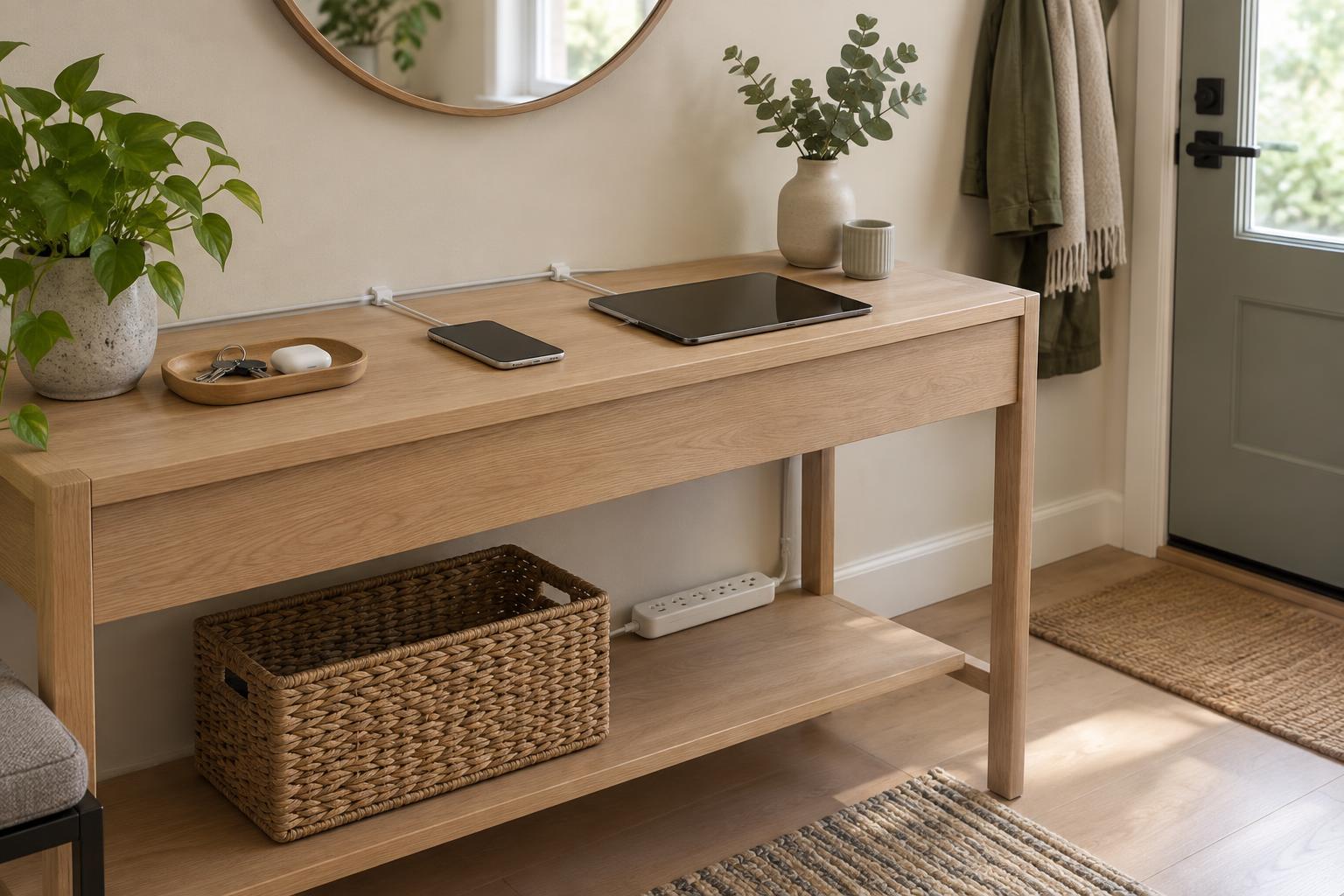
Storage works best when it follows habits. Keep shoes and outdoor layers near the entrance if that is where they come off. Store everyday cooking tools close to the place you prepare food, while less-used items can live farther away. The goal is not to hide every possession; it is to make the things you reach for easy to find and easy to put back.
Before adding shelves, baskets, or cabinets, sort through what is already taking up space. Group similar items, notice what you use regularly, and give those items the most accessible spots. Open storage can make a room feel welcoming when it holds a few useful or meaningful objects, but closed storage may be kinder to a busy household with lots of small essentials. Choose the mix that reduces effort for you. A tidy-looking system is only functional if people can maintain it on an ordinary day.
Build comfort in layers
A room can be efficient and still feel uncomfortable if the light is harsh, the seat is awkward, or there is nowhere to set down a cup. Think about comfort as part of the room’s job. General lighting helps you move around; a nearby lamp supports reading or detailed tasks. If possible, give people control over the light they use rather than relying on one ceiling fixture for every situation.
Textiles can help a space feel more inviting and serve practical needs. A washable rug may make a play area easier to live with; curtains can offer privacy; a throw can keep a favorite seat comfortable in cooler weather. Natural materials and restrained colors appeal to many people, but they are options, not requirements. Functional design should accommodate your climate, budget, maintenance preferences, and taste. A bright, lively room can work just as well as a quiet, pared-back one.
Change one friction point at a time
You do not have to redesign an entire home at once. Choose one repeated annoyance and make the smallest useful change. Place a tray where mail tends to gather, move a side table within reach of the sofa, or clear a route between the bed and the door. Live with the adjustment for a while and notice whether it actually helps. If it does not, change it again.
As your routines change, the room’s needs may change too. A corner once used for remote work might later become a reading spot or a place for guests to set a bag. Treat your layout as something you can revise, rather than a finished display you must preserve. The most functional interior is not the one that follows a particular aesthetic perfectly. It is the one that makes everyday activities easier while still feeling like your home.