Choosing a menu that needs constant attention
An ambitious menu can sound manageable when the gathering is still a week away. On the day, several dishes may need the oven, counter space, and your attention at the same time. The result is often a host who is cooking through the first hour of the visit instead of greeting people. The mistake is not making something special; it is choosing too many things that must be finished at the last moment.
Build the meal around one item that needs active preparation, then pair it with food that can be made ahead or served with little assembly. Before settling on the menu, picture the final half hour: where will each dish go, and what will you be doing? If a guest has a food preference or restriction, ask about it early rather than trying to improvise a separate dish as people arrive.
Cleaning places guests will never use
A gathering can prompt a sudden urge to reorganize the entire home. That often leaves the useful jobs, such as clearing the entryway or checking the bathroom, until the last few minutes. Guests generally need a comfortable place to sit, somewhere to put a coat, and a reasonably clear surface for a drink. They do not need every drawer sorted.
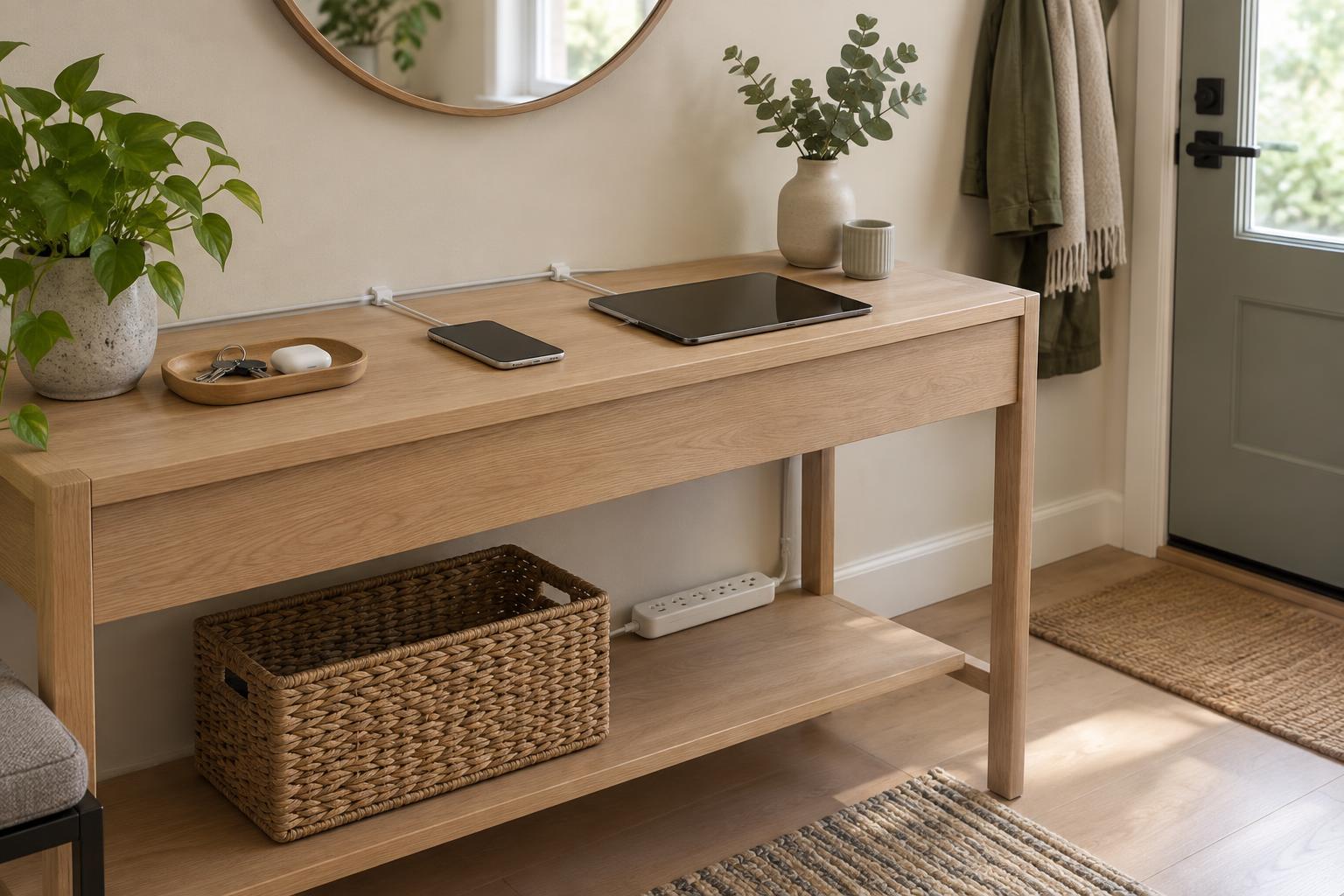
Walk through the visit from a guest’s point of view. Start at the door, continue through the spaces you plan to share, and stop where they are likely to stop. Clear those paths, make seating available, and put everyday clutter into a basket if it has no quick home. Close the door on rooms that are not part of the gathering. This is a practical boundary, not a failure to prepare.
Leaving the serving plan until guests arrive
Food may be ready, yet serving it can still become a scramble. A hot dish has no place to rest, the glasses are in a high cupboard, or the only serving spoon is already in use. These small decisions are easy to miss because they are not part of cooking. Together, they can keep the host moving back and forth while guests wait.
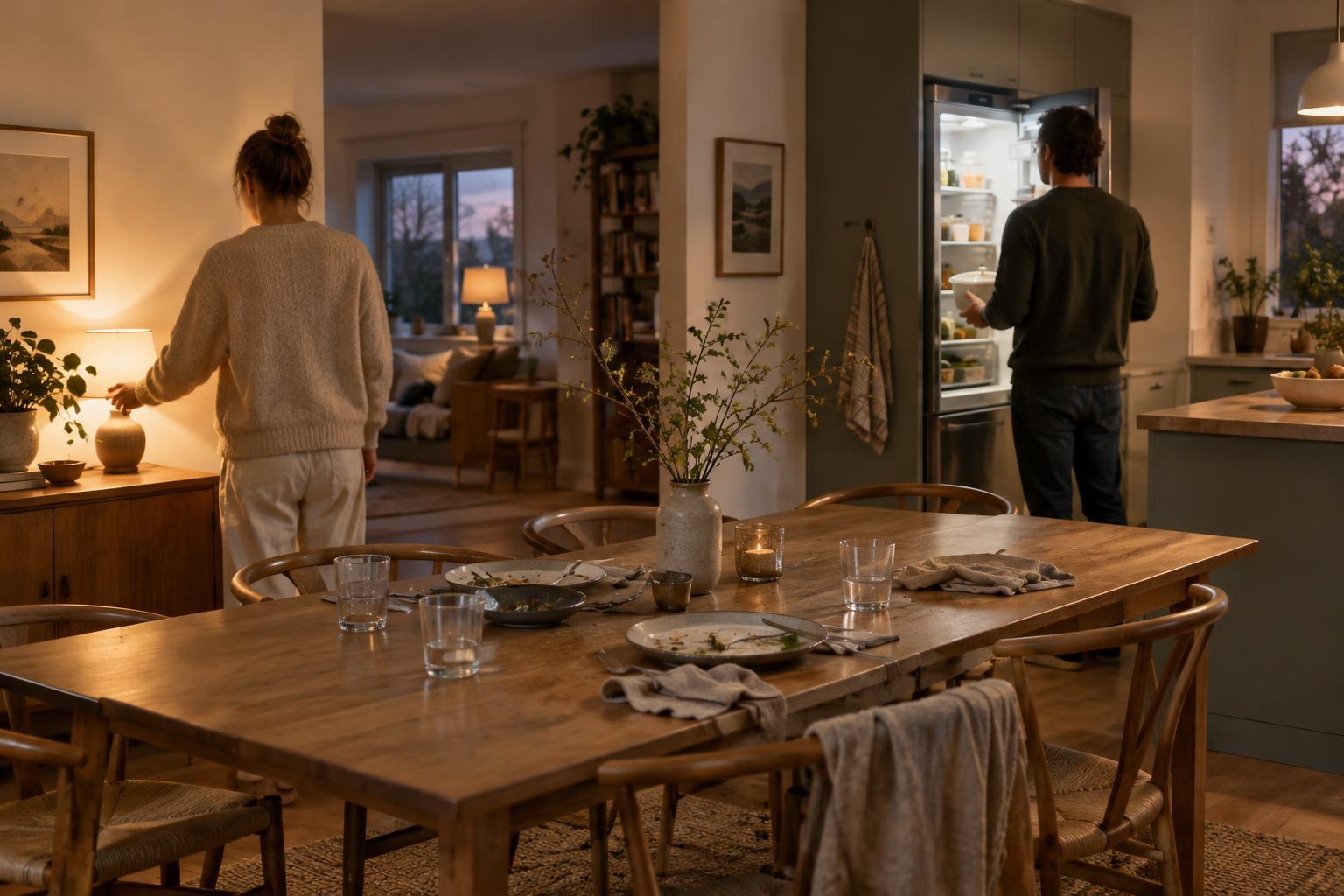
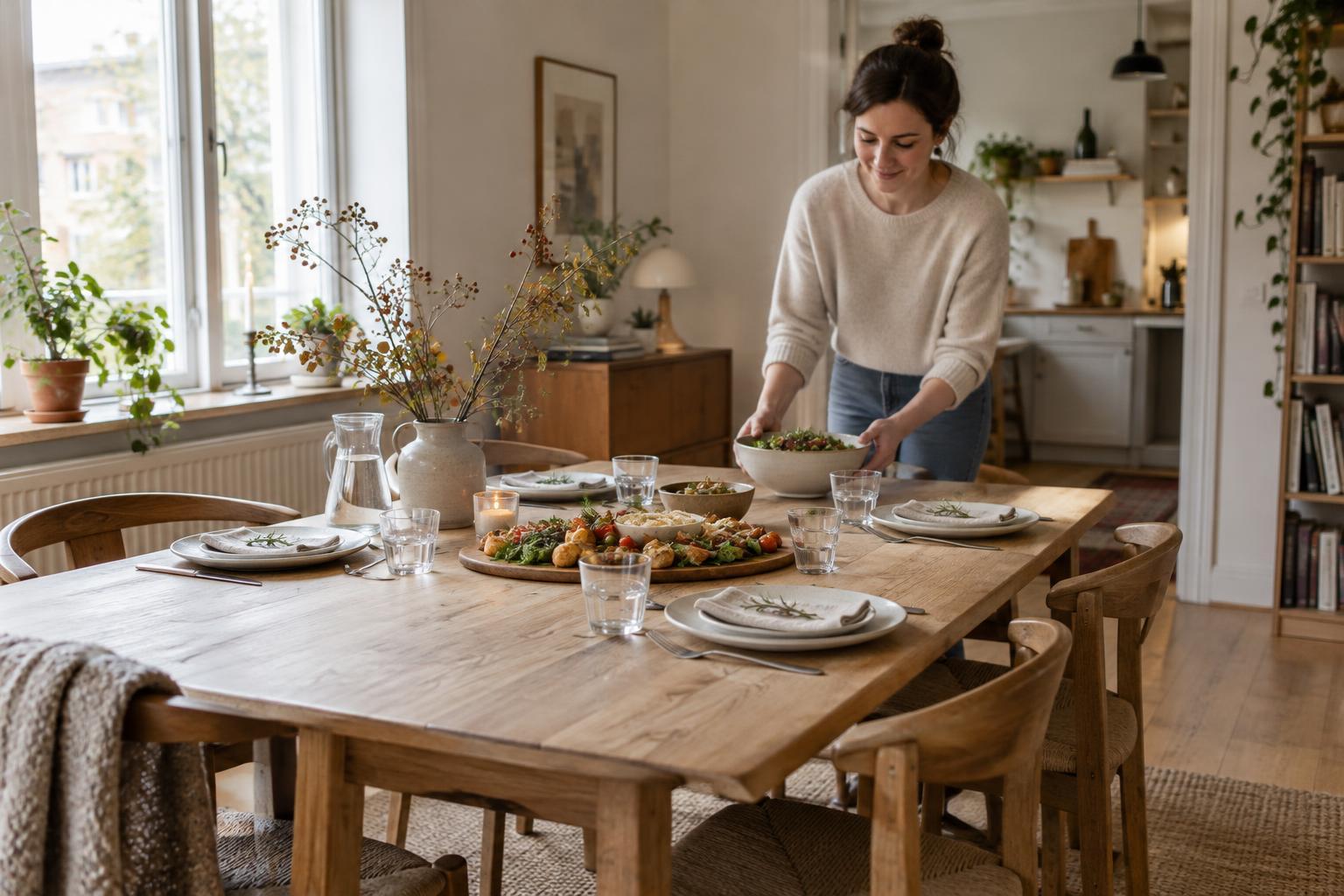
Set out what you can before anyone arrives: plates, glasses, utensils, napkins, serving tools, and a place for used dishes. Decide whether people will serve themselves or sit down to eat. Put drinks where guests can reach them without asking you each time, and leave enough clear surface for the food you plan to bring out. A simple arrangement that people can understand is more useful than an elaborate table that needs constant adjustment.
Keeping essential details in your head
Last-minute work is sometimes created before the day begins. If guests are unsure about the time, directions, or whether they should bring anything, messages can arrive while you are busy preparing. At home, a forgotten task such as chilling drinks or finding extra chairs can interrupt a calm afternoon.
Share the basic plan in advance: when to arrive, what kind of meal or refreshments to expect, and any practical detail about finding the entrance or leaving coats. Make a short preparation list for yourself, separating tasks that can be done the day before from those that truly belong on the day. The list need not account for every minute. Its purpose is to keep small necessities from competing for your attention at the door.
Trying to make the gathering look effortless
The pressure to appear fully prepared can create more work than the gathering itself. A host may keep resetting cushions, replacing a perfectly good dish with a more complicated one, or refusing a guest’s offer to help. None of these changes necessarily makes people more comfortable. They may simply pull the host away from the conversation.
Choose a few priorities and let the rest be flexible. You might care most about having enough food, an easy place to sit, and time to talk. If something is unfinished, a straightforward request for help can be more welcoming than disappearing into the kitchen. Simple hosting is not a particular look or a test of composure. It is a way of arranging the practical details so that both guests and host can settle in.